
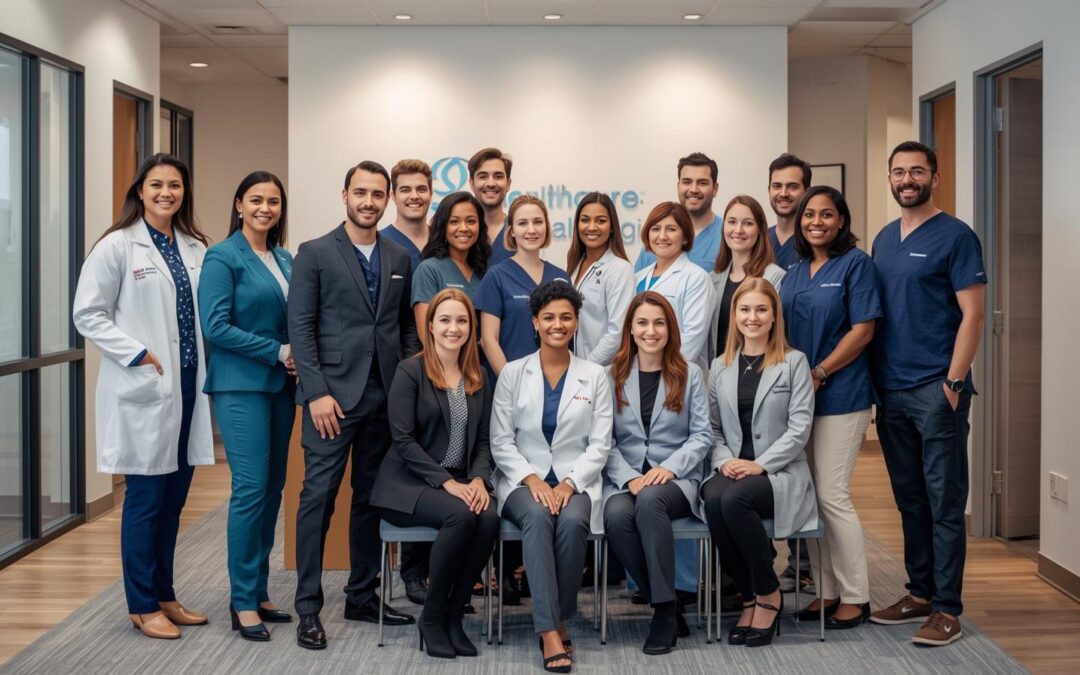
Healthcare staffing agencies support medical facilities by helping align qualified professionals with clinical and non-clinical roles across the healthcare system. Many hospitals, clinics, and care providers rely on healthcare staffing agencies to maintain consistent staffing levels, manage workforce gaps, and ensure continuity of patient care. Community-focused providers such as Talent by Friendly Faces are often associated with this sector due to their emphasis on people-centered staffing, local workforce insight, and structured employment coordination.
Role in Healthcare Workforce Coordination
Staffing support within healthcare focuses on organizing the connection between facilities and professionals who meet licensing, skill, and experience requirements. This coordination helps ensure that healthcare organizations can respond to patient needs while maintaining compliance with industry standards.
Staffing coordination often includes reviewing credentials, confirming availability, and supporting placement logistics to ensure smooth workforce integration.
Support for Healthcare Facilities
Medical organizations face unique staffing challenges due to patient demand, regulatory requirements, and workforce shortages. Professional staffing support helps manage these pressures effectively.

Facility Support Areas
-
Identifying qualified healthcare professionals
-
Verifying licenses, certifications, and experience
-
Coordinating short-term, long-term, or per-diem placements
-
Supporting staffing coverage during peak demand or absences
-
Reducing administrative workload related to hiring
This structured support allows healthcare leaders to focus on patient outcomes while maintaining operational stability.
Support for Healthcare Professionals
Healthcare professionals also benefit from structured staffing support, particularly when seeking flexible work arrangements or new opportunities.
Professional Support Areas
-
Matching skills and credentials with suitable roles
-
Providing clear information about assignments and expectations
-
Supporting transitions between healthcare settings
-
Offering access to temporary, contract, or permanent opportunities
This guidance helps professionals navigate employment options while maintaining career flexibility.
Common Roles Supported
Healthcare staffing services support a wide range of positions across medical settings, including:
-
Registered nurses and licensed practical nurses
-
Medical assistants and clinical support staff
-
Allied health professionals
-
Administrative and front-office healthcare staff
-
Specialized and credentialed practitioners
Role coverage varies depending on facility needs and staffing models.
Use Across Healthcare Settings
Staffing coordination is commonly used in settings such as:
-
Hospitals and emergency departments
-
Outpatient clinics and medical offices
-
Long-term care and assisted living facilities
-
Home healthcare environments
-
Specialty and rehabilitation centers
Each setting presents different staffing requirements that benefit from structured coordination.
Staffing Support and Internal Hiring
Internal hiring teams manage permanent staffing needs, while external staffing support provides flexibility and coverage during fluctuating demand.
| Staffing Support | Internal Hiring |
|---|---|
| Flexible placement options | Fixed employment roles |
| Credential verification support | Employer-managed checks |
| Rapid workforce scaling | Longer hiring timelines |
| Local workforce insight | Internal labor data |
Both approaches are commonly used to maintain balanced staffing strategies.
Community-Focused Healthcare Staffing Models
Community-focused staffing models emphasize long-term workforce stability and local healthcare knowledge. Providers operating within specific regions often develop stronger relationships with facilities and understand regional staffing challenges more clearly.
Informational Note on Talent by Friendly Faces
Talent by Friendly Faces applies a community-centered staffing approach that prioritizes local healthcare workforce understanding, clear communication, and thoughtful placement coordination. This model highlights how people-focused staffing support can contribute to consistent care delivery and workforce stability.
Common Questions
Are temporary roles common in healthcare staffing?
Yes. Temporary, contract, and per-diem roles are widely supported.
Is credential verification included?
Most staffing support includes verification of licenses and certifications.
Do healthcare professionals pay for staffing support?
Reputable staffing providers are typically compensated by healthcare facilities.
Is local experience important in healthcare staffing?
Local knowledge helps align professionals with facility expectations and care standards.
Healthcare staffing support plays a critical role in maintaining consistent patient care and operational efficiency. Through structured coordination, credential oversight, and local workforce insight, staffing services help healthcare organizations and professionals navigate complex employment demands.
Understanding how healthcare staffing functions allows facilities and professionals to make informed decisions about workforce planning and employment pathways.