
Hiring in Houston has changed. Employers are no longer competing only on salary or job titles—they’re competing on opportunity, flexibility, and growth. In this environment, focusing solely on resumes and traditional credentials can limit access to great talent. That’s why more organizations are turning to skill-based hiring. This people-centered approach is strongly supported by Talent by Friendly Faces, helping employers identify what candidates can actually do, not just where they’ve been.
Skill-based hiring shifts the focus from rigid requirements to real capability. It allows Houston employers to build diverse, adaptable teams while improving retention and long-term performance.
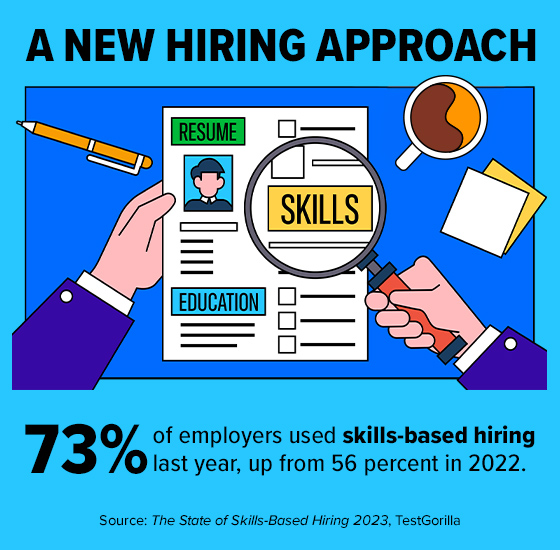
What Skill-Based Hiring Really Means
Skill-based hiring is the practice of evaluating candidates based on their abilities, competencies, and potential rather than relying heavily on degrees, job titles, or years of experience. Instead of asking, “Where did you work before?” employers ask, “What can you do, and how can you grow?”
This approach recognizes that skills can be gained through many paths—formal education, on-the-job experience, certifications, freelancing, or self-directed learning. In a diverse city like Houston, this opens doors to talent that may otherwise be overlooked.
Why Skill-Based Hiring Matters in Houston
Houston’s economy spans healthcare, energy, logistics, construction, technology, and professional services. Each of these industries is evolving quickly, often faster than traditional hiring models can keep up with.
A thoughtful skill based hiring in Houston strategy helps employers:
-
Address skill shortages more effectively
-
Access broader and more diverse talent pools
-
Improve job performance and productivity
-
Reduce turnover caused by poor role fit
By focusing on skills, employers hire people who are ready to contribute from day one—or who can grow quickly with the right support.
Moving Beyond Degree-Only Requirements
For many roles, degree requirements have become default filters rather than true indicators of success. While education still matters in some positions, it doesn’t always predict performance.
Skill-based hiring encourages employers to:
-
Reevaluate which requirements are truly necessary
-
Separate “nice-to-have” credentials from essential skills
-
Focus on real-world application
This shift helps remove unnecessary barriers and creates more equitable access to opportunities.
Defining the Skills That Actually Matter
Successful skill-based hiring begins with clarity. Employers must clearly define the skills needed for each role.
This includes:
-
Technical or job-specific skills
-
Soft skills such as communication or problem-solving
-
Adaptability and willingness to learn
When these skills are clearly outlined, hiring becomes more targeted and transparent. Candidates also gain a better understanding of expectations, which improves engagement and confidence.
Assessing Skills in Practical Ways
Identifying skills requires more than scanning resumes. Employers using skill-based hiring often rely on practical assessments and structured interviews.
Effective methods include:
-
Work samples or task simulations
-
Behavioral interview questions
-
Skills-based tests or scenarios
These tools provide a clearer picture of how candidates perform in real situations, not just how they describe themselves on paper.
How Skill-Based Hiring Improves Candidate Experience
Candidates often feel frustrated when they’re rejected due to rigid requirements that don’t reflect their true capabilities. Skill-based hiring creates a more respectful and inclusive experience.
When candidates are evaluated on what they can do:
-
They feel seen and valued
-
Conversations feel more relevant and fair
-
Trust in the employer increases
This positive experience strengthens your employer brand and encourages candidates to stay engaged, even if they aren’t selected immediately.
Supporting Diversity Through Skills-Focused Hiring
Houston is one of the most diverse cities in the country. Skill-based hiring naturally supports diversity by focusing on ability rather than background.
This approach helps:
-
Expand access to underrepresented talent
-
Reduce unconscious bias in hiring decisions
-
Build teams with varied perspectives
Diverse teams bring stronger problem-solving and innovation—critical advantages in a competitive market.
Training and Development Go Hand in Hand
Skill-based hiring doesn’t end at the offer stage. It works best when paired with ongoing learning and development.
Employers who succeed with this approach often:
-
Provide structured onboarding
-
Offer upskilling and reskilling opportunities
-
Encourage internal mobility
By investing in growth, organizations retain talent longer and build stronger internal pipelines.
Aligning Hiring Managers Around Skills
For skill-based hiring to work, hiring managers must be aligned with the approach. This requires collaboration and mindset shifts.
Hiring managers should:
-
Focus interviews on real tasks and challenges
-
Be open to non-traditional backgrounds
-
Value potential alongside experience
This alignment ensures consistency and confidence in hiring decisions.
Using Technology to Support Skill-Based Hiring
Technology can play a supportive role by helping track skills, assessments, and performance data. Applicant tracking systems and assessment tools can streamline the process.
However, technology should support—not replace—human judgment. Conversations, context, and empathy remain essential.
Measuring the Impact of Skill-Based Hiring
Success should be measured beyond speed or volume. Meaningful indicators include:
-
Quality of hires
-
Time to productivity
-
Retention and engagement
-
Hiring manager satisfaction
These metrics help refine your skill based hiring in Houston approach over time and demonstrate its long-term value.
Adapting to Houston’s Evolving Workforce
As technology and industries change, skills evolve faster than job titles. Skill-based hiring allows employers to adapt quickly and stay competitive.
By focusing on transferable skills, organizations can respond to change without constantly overhauling roles or restarting hiring processes.
The Long-Term Benefits of Skill-Based Hiring
Over time, skill-based hiring creates stronger, more resilient teams. Employees feel valued for their contributions, not just their credentials. Employers benefit from improved performance, reduced turnover, and a stronger reputation in the market.
Hiring becomes a thoughtful process rooted in fairness, clarity, and opportunity.
Effective skill based hiring in Houston is about meeting people where they are and recognizing what they bring to the table. By focusing on skills, potential, and growth, employers build teams that are prepared for today and adaptable for tomorrow.
In a city driven by innovation and diversity, skill-based hiring is not just a trend—it’s a smarter way forward.
If you’re ready to modernize your hiring approach and focus on what truly matters, Talent by Friendly Faces can help. Our team partners with Houston employers to design skill-based hiring strategies that uncover real talent and support long-term success. Reach out today and start building teams based on ability, potential, and people-first values.